
Centro de Estudio de Idiomas Mazatlán
cncmac45
CNC Turning Machining for Precision Bronze and Acrylic Parts
Introduction
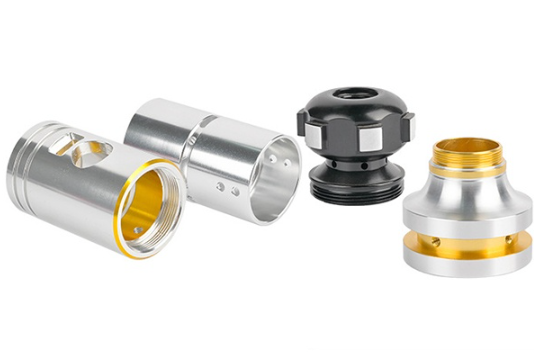
CNC turning machining plays a vital role in modern manufacturing by delivering exceptional precision, repeatability, and efficiency. Industries such as automotive, aerospace, electronics, medical equipment, and industrial machinery rely on accurately machined components to ensure product performance and reliability. Bronze and acrylic are two materials that require specialized machining techniques due to their unique physical properties. Advanced CNC turning technology makes it possible to produce these materials with outstanding dimensional accuracy and superior surface finishes while maintaining consistent quality across large production volumes.
What Is CNC Turning Machining
CNC turning machining is a computer controlled manufacturing process in which a workpiece rotates while a cutting tool removes material to create the desired shape. The automated system follows precise digital instructions, allowing manufacturers to produce complex cylindrical components with tight tolerances and minimal variation.
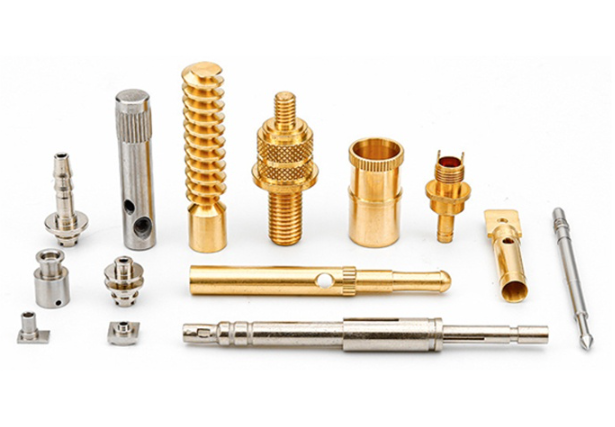
This process is ideal for creating shafts, bushings, spacers, connectors, fittings, pins, and many other precision parts that demand excellent consistency.
Advantages of CNC Turning Machining
High Precision Manufacturing
One of the greatest advantages of CNC turning machining is its ability to achieve extremely tight tolerances. Computer controlled operations eliminate many of the inconsistencies associated with manual machining, resulting in reliable and repeatable production.
Excellent Surface Finish
Advanced cutting tools and optimized machining parameters produce smooth surface finishes that often require little or no secondary processing. This improves both the appearance and functionality of finished components.
Faster Production Speed
Automation allows manufacturers to produce parts quickly without sacrificing quality. Efficient programming and continuous operation reduce production time while increasing overall productivity.
Cost Effective Production
Reduced material waste, lower labor requirements, and efficient machining cycles help minimize manufacturing costs. This makes CNC turning machining an economical solution for both prototype development and large production runs.
Consistent Product Quality
Every component is produced according to the same digital program, ensuring identical dimensions and performance throughout the manufacturing process.
Why Bronze Is Ideal for CNC Turning Machining
Bronze is widely recognized for its excellent wear resistance, corrosion resistance, and mechanical strength. These characteristics make it suitable for demanding industrial environments.
Common bronze applications include
- Bushings
- Bearings
- Marine components
- Industrial valves
- Pump parts
- Electrical connectors
- Precision gears
CNC turning machining allows bronze components to achieve accurate dimensions and smooth finishes while preserving the material's mechanical properties.
Benefits of Acrylic CNC Turning
Acrylic is a lightweight engineering plastic valued for its optical clarity, weather resistance, and attractive appearance. It is frequently selected for products that require both strength and visual appeal.
Typical acrylic applications include
- Medical equipment
- Lighting components
- Display products
- Laboratory equipment
- Optical devices
- Protective covers
Professional CNC turning machining helps prevent cracking, melting, and surface damage while producing clean edges and precise dimensions.
Industries That Depend on CNC Turning Machining
Many industries rely on precision turned components for their daily operations.
Automotive Industry
Vehicle manufacturers use precision turned parts for engine systems, transmission assemblies, suspension components, and fuel delivery systems.
Aerospace Industry
Aircraft components require strict dimensional accuracy and reliable performance. CNC turning machining helps meet demanding aerospace manufacturing standards.
Medical Industry
Medical equipment manufacturers depend on precision machining for surgical instruments, diagnostic equipment, and specialized medical devices.
Electronics Industry
Electronic equipment contains numerous precision metal and plastic components that require accurate machining to ensure proper assembly and performance.
Industrial Equipment
Heavy machinery, automation systems, and manufacturing equipment use precision turned components for long lasting and reliable operation.
Factors That Influence CNC Turning Quality
Several important factors contribute to successful CNC turning machining results.
Material Selection
Choosing the right material ensures optimal performance, durability, and machining efficiency for each application.
Precision Tooling
High quality cutting tools improve machining accuracy, reduce tool wear, and enhance surface finish.
Machine Accuracy
Modern CNC equipment provides excellent positioning accuracy, allowing manufacturers to achieve complex geometries with consistent results.
Skilled Programming
Well developed machining programs optimize cutting speeds, feed rates, and tool paths for improved efficiency and product quality.
Quality Inspection
Comprehensive inspection procedures verify that every finished component meets design specifications before delivery.
Choosing a Reliable CNC Turning Machining Partner
Selecting an experienced manufacturing partner is essential for achieving high quality results. Important factors to consider include technical expertise, advanced machining equipment, strict quality control, flexible production capacity, competitive pricing, and dependable delivery schedules.
A professional machining supplier can support projects ranging from prototype development to high volume production while maintaining consistent quality throughout the manufacturing process.
Future Trends in CNC Turning Machining
Manufacturing technology continues to evolve with the integration of intelligent automation, advanced software, and precision measurement systems. These innovations improve production efficiency, reduce operating costs, and enhance product consistency.
Smart manufacturing technologies also enable faster production planning, improved process monitoring, and better quality assurance for increasingly complex precision components.
Conclusion
CNC turning machining remains one of the most reliable and efficient manufacturing processes for producing precision bronze and acrylic components. Its combination of exceptional accuracy, excellent surface quality, cost effectiveness, and production efficiency makes it an ideal solution for a wide range of industries. As manufacturing technology continues to advance, CNC turning machining will remain an essential process for delivering high quality custom parts that meet the growing demands of global industrial applications.