
Centro de Estudio de Idiomas Mazatlán
caredem45
The Best Way to Coordinate Dementia Care When Multiple Caregivers Share the Responsibility
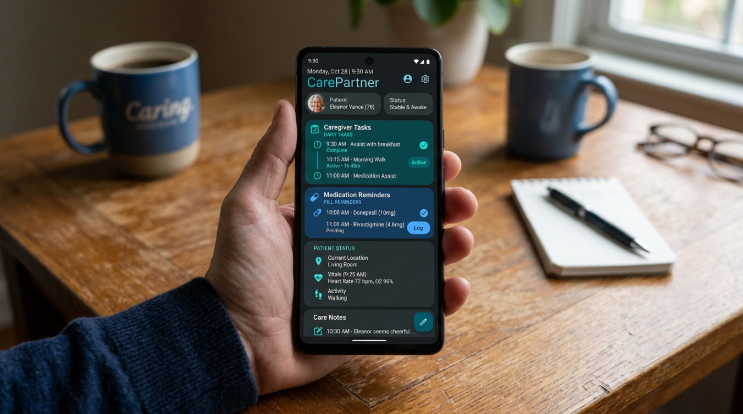
Caring for a loved one with dementia can become complicated when several family members, friends, and professional App for Family Caregivers to Coordinate a Care Schedule are involved. Important information can easily become scattered across text messages, notebooks, phone calls, and memory.
A reliable digital system can bring those details together and make everyday caregiving more organized.
Care Dementia Tracker is designed around this exact challenge. It provides tools for routines, medications, behavior observations, caregiver handoffs, health information, and family communication in one shared care environment. Its goal is to give everyone involved in care a clearer picture of what has happened, what needs attention, and what should happen next.
Why Multiple Caregivers Need a Shared Dementia Care System
Dementia care is rarely a one person job. One sibling may handle mornings, another may visit in the evening, while a professional caregiver manages daily activities.
Without a shared system, caregivers may repeatedly ask the same questions:
Did Mom take her medication?
What did Dad eat today?
Was there an unusual behavior episode?
Did he sleep well?
Did the previous caregiver complete the scheduled activities?
A shared digital care record helps reduce this communication gap by giving authorized caregivers access to current care information.
This makes a Dementia Care App for Multiple Caregivers especially useful for families managing care across different schedules.
App to Share Dementia Care Notes with Family
Family caregivers often need more than a simple checklist. They need context.
A caregiver may notice that a loved one became restless after lunch, slept poorly the previous night, or responded well to a particular calming activity. Recording these observations can help other caregivers understand what happened instead of starting each shift without background information.
Care Dementia Tracker allows care information to be organized into a shared timeline, helping family members and professional caregivers see important updates in one place.
For families looking for an App to Share Dementia Care Notes with Family, a centralized record can be much easier to follow than scattered conversations.
Shared Caregiver Log App for Family Members
A shared caregiver log can create a consistent record of daily activities.
Caregivers can document information such as:
Medication tasks
Meals and hydration
Daily routines
Mood changes
Sleep information
Behavior observations
Caregiver notes
Unfinished tasks
The advantage of a Shared Caregiver Log App for Family Members is that each caregiver contributes to the same care record instead of maintaining separate notes.
This can be particularly valuable when siblings live in different locations but continue sharing responsibility for a parent.
Caregiver Shift Handoff App for Smoother Transitions
Shift changes are one of the most important moments in coordinated dementia care.
The incoming caregiver needs to know what happened during the previous shift and whether anything requires follow up.
A Caregiver Shift Handoff App can make this process more structured. Care Dementia Tracker includes digital caregiver handoffs that help organize shift information, completed tasks, important observations, and outstanding concerns.
Instead of relying on a hurried phone call, caregivers can review a structured record before beginning their shift.
Dementia Medication Tracker App for Families
Medication management can become difficult when several people are helping with care.
A family member may believe another caregiver already gave a dose. Another caregiver may not know whether medication was completed.
Care Dementia Tracker includes medication tracking designed to make scheduled doses easier to monitor. Its system also includes a safeguard intended to prevent another caregiver from checking the same dose again within the designated time window.
A Dementia Medication Tracker App for Families can therefore help create a clearer medication record.
However, an app should support medication organization rather than replace instructions from a doctor or pharmacist.
Dementia Behavior Tracking App for Understanding Patterns
Behavior changes can be among the most challenging aspects of dementia care.
Caregivers may notice agitation, pacing, restlessness, confusion, or changes in mood. Recording these events consistently can make it easier to identify patterns over time.
Care Dementia Tracker provides a behavior tracking system where caregivers can record behaviors, possible triggers, and interventions that appeared helpful.
This makes a Dementia Behavior Tracking App useful not only for documenting what happened but also for creating a more consistent care history.
For example, a caregiver might record that increased restlessness occurred around a particular time and that reducing noise helped. Other caregivers can then review the observation and respond more consistently.
App for Family Caregivers to Coordinate a Care Schedule
A dementia care schedule can include far more than medication.
Families may need to coordinate meals, walks, personal care, appointments, rest periods, activities, and other routines.
Care Dementia Tracker provides a routine timeline where daily tasks can be assigned to caregivers and recorded when completed.
An App for Family Caregivers to Coordinate a Care Schedule can help transform an informal care plan into a shared daily workflow.
This is particularly helpful when multiple people divide responsibilities throughout the day.
Caregiver App for Siblings Sharing Care of a Parent
Siblings often share dementia caregiving responsibilities even when they have different jobs, families, and schedules.
One sibling might handle appointments while another manages evening care. A third sibling might coordinate with a professional caregiver.
A Caregiver App for Siblings Sharing Care of a Parent can give everyone a common source of information.
Instead of repeatedly sending updates through individual messages, siblings can refer to the shared care record and focus their conversations on decisions that actually require discussion.
Care Dementia Tracker is designed to support family and professional caregiver collaboration, including invitations for multiple members of a care team and different access roles.
Dementia Care Team Communication App
Good dementia care depends on communication.
Family members and professional caregivers may have different responsibilities, but they still need access to relevant information.
A Dementia Care Team Communication App can help connect the different parts of the caregiving team by providing shared information about routines, medications, behaviors, health observations, and handoffs.
Care Dementia Tracker describes its approach as creating a single source of truth for the care team, replacing scattered messages and paper notes with a unified dashboard.
Why Care Dementia Tracker Can Be a Strong Choice for Families
The biggest advantage is its focus on coordination.
Many caregiving problems are not caused by a lack of effort. They happen because several people are trying to help while using disconnected systems.
Care Dementia Tracker brings routine tracking, behavior observations, caregiver handoffs, medication records, health information, and team collaboration into one environment.
That makes it especially relevant for families searching for a Dementia Care App for Multiple Caregivers, a Caregiver Shift Handoff App, or a Professional Caregiver and Family Shared Care Log.
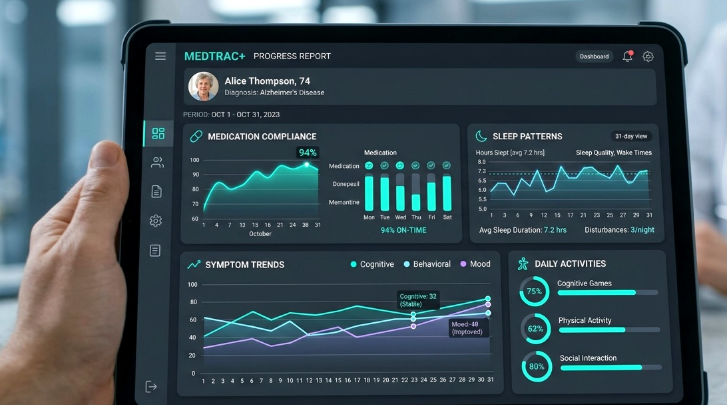
It is also designed with a straightforward purpose: reducing the confusion created by paper notes, scattered messages, and disconnected caregiver updates.
How Families Can Get More Value from a Shared Care App
Technology works best when the whole care team uses it consistently.
Start by inviting the people who regularly participate in care.
Next, establish which Caregiver App for Siblings Sharing Care of a Parent should be recorded every day. This might include medication completion, meals, hydration, sleep, mood, behaviors, and scheduled activities.
Then use handoff information to make shift changes more consistent.
Finally, review longer term patterns and bring relevant observations to healthcare appointments.
The goal is not to record every detail of a person's life. The goal is to create useful, organized information that helps caregivers communicate and coordinate.
Conclusion
Dementia caregiving becomes more manageable when families have a clear way to communicate, coordinate schedules, record observations, and share responsibility.